













Diagnosis (Clinical + Imaging Approach)
===============================
A comprehensive diagnosis includes:
- Physical examination
- Hormonal profile (Testosterone, Estrogen, LH, FSH)
- Ultrasound or mammography
- Differentiation from male breast cancer
Advanced Treatment Options
1. Non-Surgical Management
- Observation (especially during puberty)
- Hormonal correction
- Medication


2. Surgical Treatment (Gold Standard)
For persistent cases, surgery provides permanent correction.
Techniques:
- Liposuction – Removes fat tissue
- Gland Excision (Subcutaneous Mastectomy) – Removes firm gland
- Combination Technique – Best aesthetic outcome
Surgery is often required because exercise or weight loss cannot remove glandular tissue.
Recurrence & Long-Term Outcomes
Recurrence is rare but possible due to:
-
- Incomplete gland removal
- Hormonal imbalance
- Steroid use or weight gain

About the Doctor & Clinic
At Midas Cosmetic Surgery Clinic, gynecomastia treatment is performed using advanced surgical
techniques, precision contouring, and personalized care protocols.
About the Doctor
The clinic is led by highly experienced cosmetic plastic surgeon, Dr. M.G. Madhukumar with:
- Specialized training in plastic & aesthetic surgery
- Expertise in male body contouring procedures
- Use of minimally invasive and scar-minimizing techniques
Certifications & Standards
- Board-certified plastic surgeon
- Adherence to international surgical safety protocols
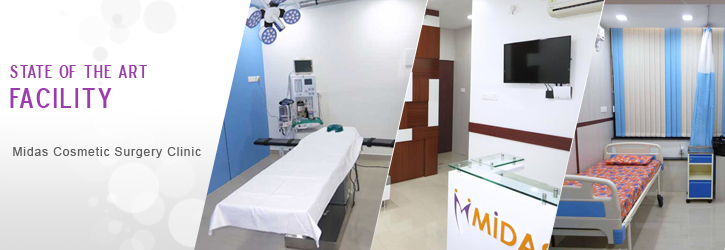
- Advanced surgical infrastructure and sterilization standards
This ensures safe, predictable, and natural-looking results for patients.
Gynecomastia FAQs
1. What is the fastest way to treat gynecomastia?
Surgery (liposuction + gland excision) is the fastest and most permanent solution when glandular
tissue is present for more than 1-2 years.
2. Can gynecomastia go away naturally?
Yes, especially during puberty. However, persistent cases beyond 1–2 years usually require surgical
intervention.
3. Is gynecomastia caused by fat or hormones?
True gynecomastia is caused by hormonal imbalance, while fat-related chest enlargement is
pseudo-gynecomastia.
4. Which doctor should I consult for gynecomastia?
You can consult a Board certified Cosmetic Plastic surgeon for proper diagnosis and guidance.
5. Is gynecomastia surgery safe?
Yes, it is generally considered safe when performed by a qualified, board-certified plastic surgeon
using modern techniques.
6. Can gym or exercise cure gynecomastia?
No. Exercise reduces fat but cannot make glandular/breast tissue go away.

7. How long is recovery after gynecomastia surgery?
- 2-3 days: Resume light activities, desk job
- 2–3 weeks: Return to normal routine
- 6-8 weeks: Full recovery
8. Will gynecomastia come back after surgery?
Rare, but possible if hormonal imbalance or steroid or any other drug use continues or the person
develops a new medical disease causing gynecomastia develops.
9. What is the difference between gynecomastia and chest fat?
- Gynecomastia = glandular tissue
- Chest fat = only adipose tissue
10. Is gynecomastia surgery painful?
Minimal discomfort during to anaesthesia administration. Post-surgery pain is minimal.
11. Are there scars after surgery?
Minimal, often hidden around the lower border of areola and in the arm pit.
12. What is the cost of gynecomastia surgery in India?
The cost depends on grade, technique, surgeon expertise and equipment and facilities.
Conclusion
Gynecomastia is a common but treatable condition that requires accurate diagnosis and specialized
care. While mild cases may resolve naturally, advanced or persistent cases benefit significantly from
surgical correction.
Choosing an experienced clinic like Midas Cosmetic Surgery Clinic ensures:
- Correct diagnosis
- Advanced treatment
- Natural looking, long-lasting results

218 total views, 1 views today


